You are here:Home » News » Plastic Vs Metal AC Vent Grilles: Which Is Better for HVAC Systems?
Plastic Vs Metal AC Vent Grilles: Which Is Better for HVAC Systems?
Views: 0 Author: Site Editor Publish Time: 2026-07-21 Origin: Site
Are you struggling to choose the right AC vent grille for your HVAC system? The material you select can significantly impact efficiency and air quality. In this article, we will compare plastic and metal AC vent grilles, highlighting their advantages and disadvantages. You’ll learn how to make an informed decision based on your specific needs and environment.
Understanding AC Vent Grilles
What Are AC Vent Grilles?
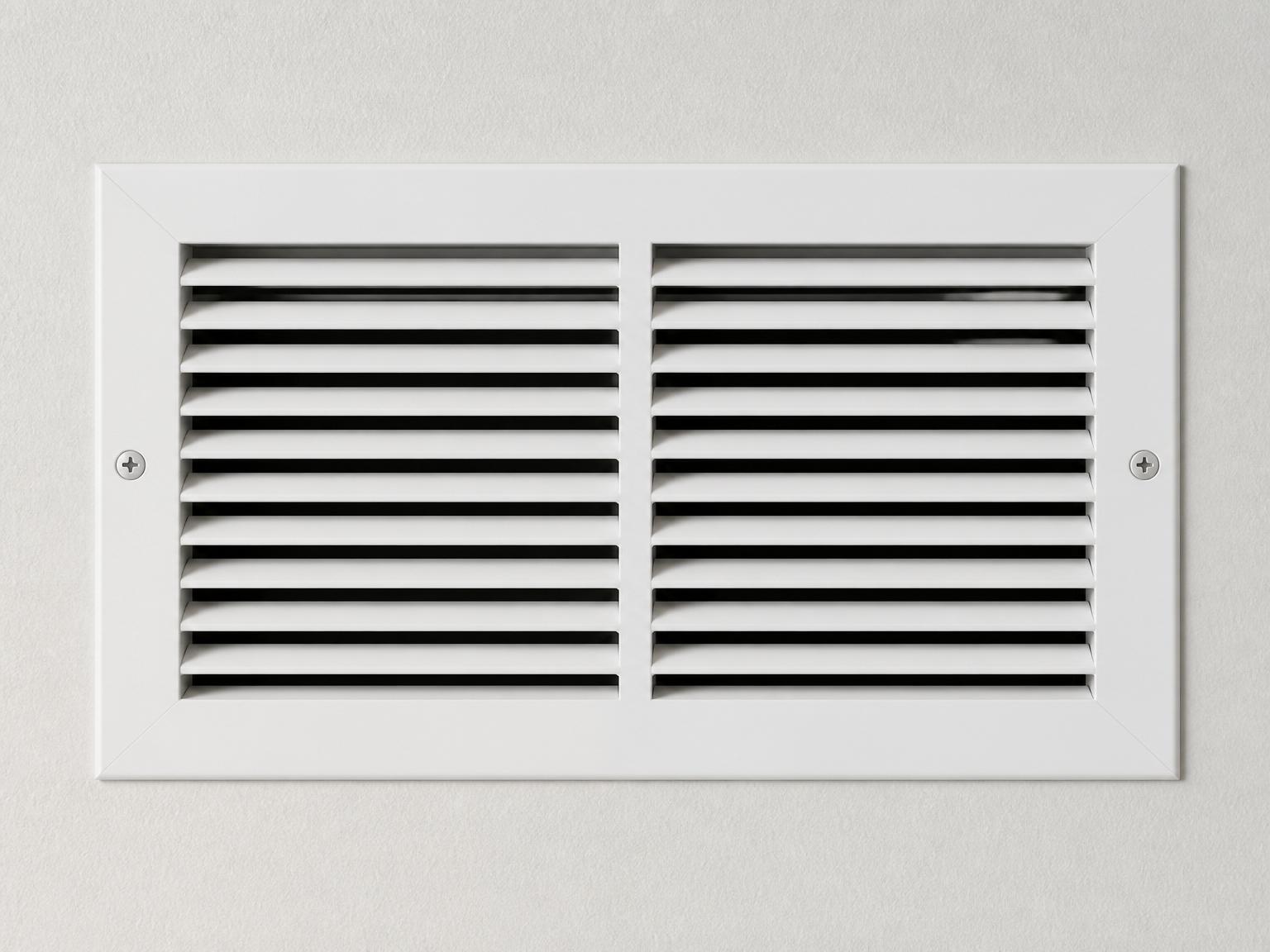
AC vent grilles play a vital role in HVAC systems. They serve as the interface between the ductwork and the living space, allowing conditioned air to flow into rooms. These grilles not only regulate airflow but also help maintain indoor air quality.
Types of AC Vent Grilles:
●Plastic Grilles: Lightweight and cost-effective, ideal for residential use.
●Metal Grilles: More durable and suitable for commercial applications, offering better structural integrity.
●Decorative Grilles: Designed for aesthetic appeal, often used in visible areas of homes and offices.
Each type has its place depending on the specific needs of the HVAC system and the environment in which it operates.
Importance of Choosing the Right Material
Selecting the right material for your AC vent grille is crucial. It directly impacts both the efficiency of your HVAC system and the quality of the air you breathe. Here’s how:
●Efficiency: The material affects airflow resistance. Metal grilles typically allow for better airflow than plastic ones, which can lead to lower energy costs.
●Durability: Metal grilles are less prone to damage from impact or temperature fluctuations, making them ideal for high-traffic areas.
●Indoor Air Quality: Materials like plastic may emit volatile organic compounds (VOCs), which can compromise air quality. Metal grilles, especially those from reputable manufacturers like DABUND PIPE, are less likely to release harmful substances.
Common Materials Used:
Material Type
Advantages
Disadvantages
Plastic
Lightweight, cost-effective
Less durable, can warp in heat
Metal
Durable, better airflow
Heavier, higher initial cost
When considering your options, think about where the grille will be installed. For example, plastic grilles might work well in a low-traffic residential area, while metal grilles are better suited for commercial spaces that experience heavy use.
In summary, understanding the function and material of AC vent grilles is essential for making informed choices. Whether you're installing new grilles or replacing old ones, knowing the differences can help you optimize your HVAC system’s performance and improve indoor air quality.
Comparison of Plastic and Metal AC Vent Grilles
Durability and Structural Stability
When it comes to durability, metal AC vent grilles clearly outperform their plastic counterparts. Metal grilles are built to withstand daily wear and tear, making them ideal for high-traffic environments. Here are some key points to consider:
●Impact Resistance: Metal grilles can endure impacts without bending or breaking. This is crucial in commercial settings where foot traffic is heavy.
●Longevity: Metal grilles typically have a longer lifespan than plastic ones, which can crack or warp over time.
DABUND PIPE’s metal grilles exemplify superior structural integrity. They are specifically designed for demanding commercial applications, ensuring they remain functional and aesthetically pleasing for years.
Corrosion and Humidity Resistance
Humidity can be a significant issue for AC vent grilles, especially in areas like kitchens and bathrooms. Here’s how plastic and metal grilles compare:
●Metal Grilles: Made from materials like aluminum and stainless steel, these grilles are naturally resistant to corrosion. They perform exceptionally well in humid environments, preventing rust and degradation over time.
●Plastic Grilles: While they won't rust, plastic grilles can degrade when exposed to moisture. They may become brittle and discolored, impacting their performance.
DABUND PIPE’s aluminum and stainless steel options are engineered to thrive in high-humidity areas, ensuring long-term reliability and performance.
Airflow Performance and HVAC Efficiency
The material of an AC vent grille significantly affects airflow efficiency. Here’s a breakdown:
●Airflow Efficiency: Metal grilles generally allow for better airflow than plastic ones. Their design often includes features like louvers that facilitate smooth air passage.
●Design Features: Properly designed grilles can minimize airflow resistance, enhancing overall HVAC efficiency.
DABUND PIPE’s precision-engineered metal grilles are crafted to optimize airflow. This can lead to improved energy efficiency, reducing costs associated with heating and cooling.
Health and Indoor Air Quality
Indoor air quality is crucial for maintaining a healthy environment. The choice of AC vent grille material can influence this aspect significantly:
●Dust Accumulation: Metal grilles tend to have smoother surfaces, making them less likely to trap dust and allergens. This is beneficial for individuals with allergies.
●VOC Emissions: Plastic grilles may emit volatile organic compounds (VOCs), which can compromise indoor air quality. Metal grilles, particularly those from trusted manufacturers like DABUND PIPE, do not pose this risk.
A cleaner air environment can lead to better health outcomes, making the choice of AC vent grille an important consideration.
Feature
Plastic Grilles
Metal Grilles
Durability
Less durable, prone to warping
Highly durable, impact-resistant
Corrosion Resistance
Not corrosion-resistant
Naturally rust-proof
Airflow Efficiency
Moderate
High, optimized design
Indoor Air Quality
May emit VOCs
No VOCs, better dust control
Choosing between plastic and metal AC vent grilles involves understanding these differences. Each option has its strengths, but for long-term performance and efficiency, metal grilles often come out on top.
Aesthetics, Installation, and Maintenance
Aesthetic Considerations
When choosing an AC vent grille, aesthetics matter. The visual appeal of your grilles can enhance or detract from the overall look of your space. Here’s how plastic and metal grilles stack up:
●Plastic Grilles: Available in a variety of colors and styles, plastic grilles can blend seamlessly into many environments. They are lightweight, making them easy to install in residential settings.
●Metal Grilles: Often favored for their sleek, modern look, metal grilles can add a touch of sophistication to commercial spaces. They can be finished in various ways to match the decor, such as powder-coated or brushed finishes.
Customization Options: Both plastic and metal grilles offer customization. You can choose different colors, sizes, and designs to fit your specific needs. For example, DABUND PIPE provides options for custom logos and finishes, allowing businesses to maintain brand consistency while ensuring functionality.
Installation Process
The installation process can vary significantly between plastic and metal AC vent grilles. Here’s what to keep in mind:
●Ease of Installation:
○Plastic Grilles: Typically lighter, making them easier to handle and install. They often come with snap-on features that simplify the process.
○Metal Grilles: While they are more durable, their weight can make installation more labor-intensive. Proper tools and techniques are essential to ensure a secure fit.
●Weight Considerations:
○Metal grilles require more robust support structures due to their weight.
○This can lead to higher labor costs, especially in large-scale installations.
Maintenance Requirements
Maintaining your AC vent grilles is crucial for longevity and performance. Here’s how plastic and metal grilles compare:
●Cleaning and Upkeep:
○Plastic Grilles: These can be easily cleaned with mild soap and water. However, they may discolor over time, especially in high-heat environments.
○Metal Grilles: Generally easier to maintain their appearance. They can be wiped down without fear of damaging the surface.
●Longevity and Maintenance Costs:
○Plastic grilles may need to be replaced more frequently due to wear and tear.
○Metal grilles, particularly those from reputable brands like DABUND PIPE, tend to have a longer lifespan, resulting in lower long-term maintenance costs.
Feature
Plastic Grilles
Metal Grilles
Aesthetic Appeal
Variety of colors and styles
Sleek, modern look
Installation Ease
Lightweight, easy to install
Heavier, requires more effort
Cleaning
Simple, but may discolor
Easy to clean, retains appearance
Longevity
Shorter lifespan
Longer lifespan, durable
Choosing the right AC vent grille involves considering aesthetics, installation, and maintenance. Whether you prefer the lightweight convenience of plastic or the durable elegance of metal, understanding these factors will help you make an informed decision.
Cost Analysis
Initial Costs vs. Long-term Value
When considering AC vent grilles, the initial cost is just one piece of the puzzle. Let's break down the costs associated with plastic and metal grilles:
●Plastic Grilles:
○Generally cheaper upfront, ranging from $5 to $15 per unit.
○Ideal for budget-conscious projects, especially in residential settings.
●Metal Grilles:
○Higher initial investment, typically between $15 and $50 per unit.
○However, they offer enhanced durability and longevity, which can lead to significant savings over time.
Long-term Value Analysis:
●While plastic grilles may save you money initially, they often require replacement sooner due to wear and tear.
●Metal grilles, particularly those from reputable brands like DABUND PIPE, can last much longer, reducing the frequency of replacements and maintenance costs.
Here’s a simple cost comparison over a five-year period:
Material Type
Initial Cost (per unit)
Expected Lifespan
Replacement Frequency
Total Cost Over 5 Years
Plastic
$10
2 years
2
$30
Metal
$30
10 years
0
$30
Budget Considerations for Different Projects
Choosing the right AC vent grille also depends on the specific project type. Here are some recommendations:
●Residential Projects:
○For homes, plastic grilles can be a cost-effective choice. They suit lower-traffic areas and are easy to install.
○If you expect high humidity or temperature fluctuations, consider investing in metal grilles for better durability.
●Commercial Projects:
○Metal grilles are often the preferred option. Their robustness makes them ideal for high-traffic environments like offices and retail spaces.
○The initial cost may be higher, but the long-term savings on replacements and maintenance can justify the investment.
Cost-effectiveness in High-Humidity Areas:
●In environments like kitchens or bathrooms, metal grilles excel. Their resistance to corrosion and moisture ensures they remain functional longer.
●Investing in quality metal grilles from brands like DABUND PIPE can lead to fewer replacements and better air quality, ultimately saving money.
By carefully considering both initial costs and long-term value, you can make a more informed decision on which AC vent grille works best for your specific needs.
Conclusion
In summary, choosing between plastic and metal AC vent grilles involves various factors. Metal grilles offer durability and efficiency, while plastic grilles are cost-effective for residential use. Consider your specific needs, such as humidity and traffic levels, when making a decision. Ultimately, the right choice will enhance your HVAC system's performance and longevity.
FAQ
Q: What is the lifespan of plastic vs. metal AC vent grilles?
A: Plastic grilles typically last around 2 years, while metal grilles can last up to 10 years.
Q: Can I use plastic grilles in high-humidity areas?
A: It's not recommended, as plastic can warp and degrade in high-humidity environments.
Q: Are there any health risks associated with plastic AC vent grilles?
A: Some low-quality plastic grilles may emit VOCs, affecting indoor air quality.
Q: How do I clean and maintain my AC vent grilles?
A: Clean plastic grilles with soap and water; metal grilles can be wiped down easily.
Q: Which type of grille is better for energy efficiency?
A: Metal grilles generally provide better airflow efficiency, reducing energy costs.

 English
 العربية
 Français
 Русский
 Español
 Português
 Deutsch
 italiano
 日本語
日本語 한국어
한국어 Nederlands
 Tiếng Việt
 ไทย
ไทย Polski
 Türkçe
 አማርኛ
አማርኛ ພາສາລາວ
 ភាសាខ្មែរ
 Bahasa Melayu
 ဗမာစာ
ဗမာစာ Filipino
 Bahasa Indonesia
 magyar
 Română
 Čeština
 қазақ
қазақ Српски
 हिन्दी
 فارسی
فارسی Slovenčina
 Slovenščina
 Norsk
Norsk Svenska
 українська
 Ελληνικά
 Հայերեն
 Latine
 Dansk
Dansk Shqip
Shqip বাংলা
বাংলা Hrvatski
 Afrikaans
 Gaeilge
 latviešu
 Беларуская мова
 Български
 Esperanto
 Basa Jawa
 Kinyarwanda
 Soomaali
 Cymraeg