You are here:Home » News » AC Vent Grille Sizes Explained: How To Choose The Correct Return Air Grille
AC Vent Grille Sizes Explained: How To Choose The Correct Return Air Grille
Views: 0 Author: Site Editor Publish Time: 2026-07-18 Origin: Site
Are you struggling to choose the right AC vent grille? Selecting the correct return air grille is crucial for your HVAC system's efficiency. The right size can improve airflow, reduce noise, and save energy.
In this article, we’ll explore the importance of AC vent grilles and guide you through the selection process. You’ll learn how to measure your duct openings, understand airflow requirements, and choose the best materials. Let’s dive in!
Understanding AC Vent Grilles
What is an AC Vent Grille?
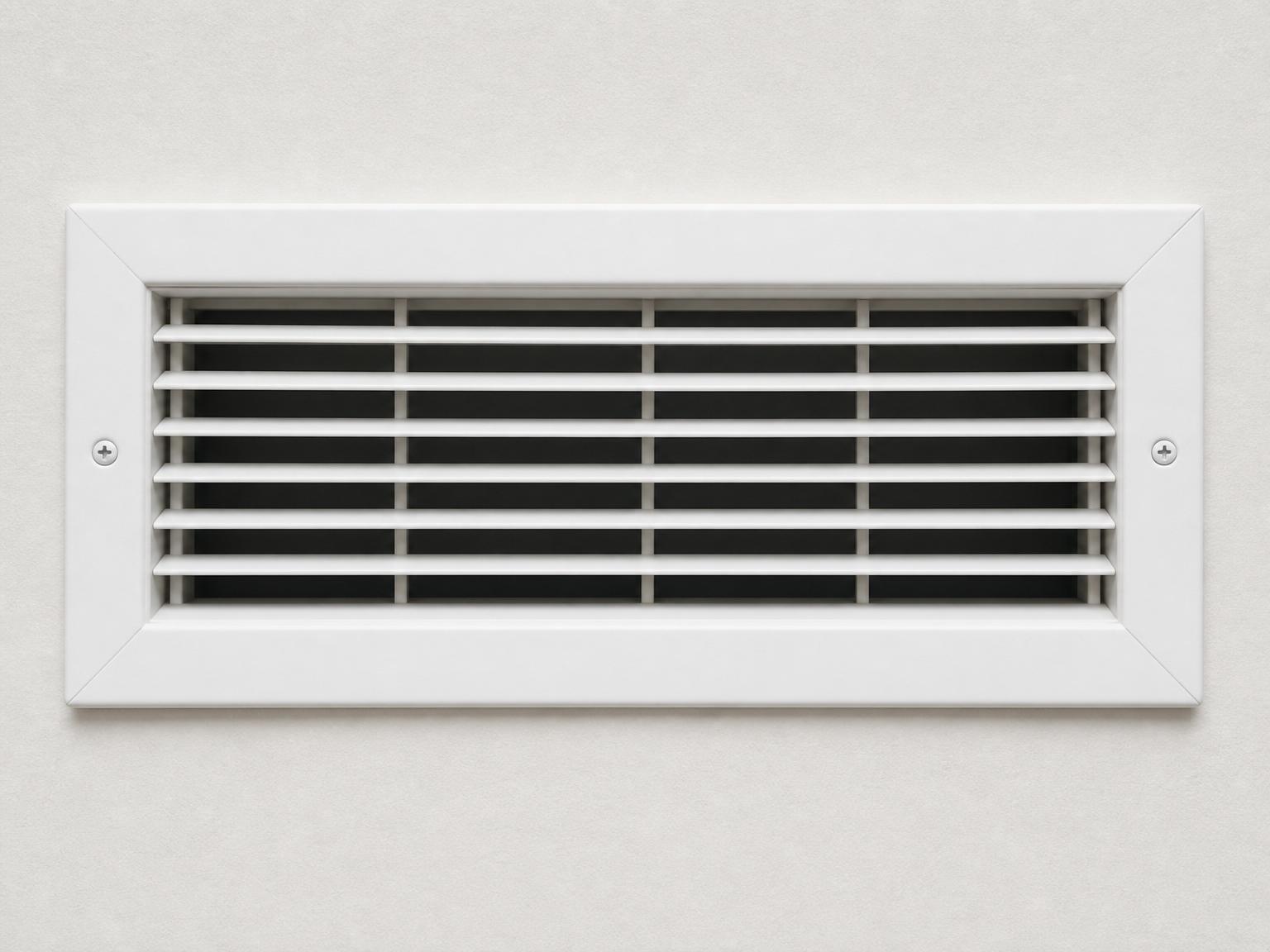
An AC vent grille is a crucial component in HVAC systems. It serves as the interface between your ductwork and the living space, allowing air to flow in and out effectively. These grilles come in two main types: return air grilles and supply air grilles.
●Return Air Grilles: These are designed to pull air back into the HVAC system for reconditioning. They help maintain balanced airflow and ensure efficient operation.
●Supply Air Grilles: These grilles deliver conditioned air into the space. They can often be adjusted to control airflow direction and volume.
Understanding the difference between these two types is vital. Using the wrong grille can lead to inefficiencies in your HVAC system.
Importance of Proper Sizing
Choosing the right size for your AC vent grille is critical. Proper sizing affects various aspects of your HVAC system's performance:
●Airflow Efficiency: A correctly sized grille allows for optimal airflow, ensuring that your system operates without unnecessary strain. If the grille is too small, airflow will be restricted, leading to increased energy consumption.
●Noise Levels: An improperly sized grille can cause excessive noise. If the air has to force its way through a small opening, it creates turbulence, resulting in annoying sounds.
●Energy Waste: Incorrect sizing can lead to energy inefficiencies. An undersized grille forces the system to work harder, increasing energy bills and wear on equipment.
Here’s a quick look at the consequences of poor sizing:
Issue
Description
Energy Waste
Increased energy bills due to inefficiency.
Equipment Damage
Strain on the system leading to breakdowns.
Poor Air Quality
Insufficient airflow can lead to stale air.
To illustrate, let’s consider a scenario. If you have a return air grille that's too small for your system's airflow needs, it can lead to a significant increase in static pressure. This pressure buildup can cause the air conditioning unit to work harder than necessary, leading to premature wear and tear.
In contrast, a properly sized grille will optimize airflow, reduce noise, and enhance overall comfort. For example, a standard return air grille size of 12x12 inches may be perfect for a small bedroom, while larger spaces like living rooms may require sizes like 20x20 inches or more.
When selecting your grille, always consider its dimensions in relation to your HVAC system’s specifications. This will ensure that you maintain efficiency and comfort in your space.
In summary, understanding the function and importance of AC vent grilles is essential for anyone involved in HVAC systems. Proper sizing not only enhances performance but also extends the life of your equipment. Brands like Changzhou DABUND Pipe offer a variety of options tailored to meet these needs, ensuring you find the right fit for your system.
Key Factors to Consider When Choosing AC Vent Grille Sizes
Duct Opening Measurements
Accurate measurements of your duct openings are essential for selecting the right AC vent grille. A well-fitted grille ensures optimal airflow and system efficiency. Here’s how to get it right:
1. Measuring the Duct Opening:
●Use a tape measure to determine the width and height of the duct opening.
●Measure at multiple points to account for any irregularities.
●Record the largest dimensions to ensure a proper fit.
2. Common Mistakes to Avoid:
●Relying on Old Grille Sizes: Don't assume the new grille should match the old one without measuring.
●Ignoring Duct Shape: Ensure you account for the shape of the duct, as round and rectangular ducts require different grilles.
●Not Measuring Twice: Always double-check your measurements to avoid errors.
Understanding Airflow Requirements
Airflow is a critical factor in HVAC performance, and it’s measured in CFM (Cubic Feet per Minute). Understanding CFM helps you choose an appropriate AC vent grille size.
●What is CFM?:
○CFM indicates how much air flows through the duct in one minute. Higher CFM values mean more air circulation.
●Calculating Required Airflow:
○To calculate the necessary CFM, consider the room size and the AC unit's tonnage. A general rule of thumb is:
■Residential Use: About 400 CFM per ton of air conditioning.
■Example Calculation: For a 2-ton unit in a standard room:
●Required CFM = 2 tons × 400 CFM/ton = 800 CFM.
Here’s a quick reference table to help with CFM calculations based on room size:
Room Size (sq ft)
Tonnage
Required CFM
100
1
400
200
1.5
600
300
2
800
400
2.5
1000
Target Face Velocity (FPM)
Face velocity is the speed of air moving through the grille and is measured in FPM (Feet per Minute). This measurement is crucial for ensuring comfortable airflow.
●Definition and Role:
○Face velocity helps determine how efficiently air is delivered into the space. Higher velocities can lead to noise and discomfort.
●Recommended Ranges:
○Residential Use: Aim for 300-500 FPM. Lower velocities (around 300 FPM) are suitable for bedrooms to minimize noise, while higher velocities (up to 500 FPM) can be used in utility areas.
○Commercial Use: Higher face velocities may be acceptable, depending on the application and layout.
Understanding these factors will help you make informed decisions when selecting an AC vent grille. Proper sizing not only enhances airflow but also contributes to the overall efficiency of your HVAC system. Brands like Changzhou DABUND Pipe offer a variety of grilles designed to meet these specifications, ensuring you find the right fit for your needs.
Sizing Principles and Calculation Methods
Core Calculation Formula
Selecting the right AC vent grille size starts with a solid calculation. The formula for determining the required gross grille area is straightforward. Here’s how it works:
1. Formula:
●Required Gross Grille Area (sq inches) = (Total CFM ÷ Target FPM) ÷ Free Area Ratio × 144
Where:
●Total CFM: The airflow required for the space.
●Target FPM: The desired face velocity of the air through the grille.
●Free Area Ratio: The percentage of the grille area that is actually open for airflow.
2. Example Calculation:
●Let’s say you need 800 CFM for your room, and you want a target face velocity of 400 FPM. If the free area ratio of your chosen grille is 70%, the calculation would look like this:
This gives you a required grille area of about 411.43 square inches.
Free Area Ratio
The free area ratio is crucial for understanding how effectively air can flow through your AC vent grille.
●What is Free Area Ratio?
○It represents the portion of the grille that is open for airflow compared to its total surface area. Higher ratios mean better airflow.
●Impact on Airflow:
○A grille with a low free area ratio will restrict airflow, leading to higher static pressure and energy consumption. This can strain your HVAC system and reduce efficiency.
●Typical Free Area Ratios:
○Different grille designs have varying free area ratios. Here’s a quick overview:
Grille Type
Free Area Ratio
Standard Louvers
65% - 75%
Decorative Grilles
50% - 65%
High-Performance Grilles
75% - 85%
When choosing an AC vent grille, consider the free area ratio along with your airflow requirements. For example, a high-performance grille may be ideal for commercial applications where airflow is critical, while decorative grilles might suffice for residential use where aesthetics are a priority.
Understanding these sizing principles and calculations can help you select the right AC vent grille for your needs. Brands like Changzhou DABUND Pipe offer a range of grilles designed to meet various airflow requirements, ensuring you make an informed choice.
Common Standard Sizes and Their Applications
Overview of Standard Sizes
When selecting an AC vent grille, understanding standard sizes is crucial for ensuring efficient airflow in your HVAC system. Here’s a breakdown of common sizes and their typical applications:
Grille Size (inches)
Airflow Capacity (CFM)
Recommended Usage Scenarios
10 x 10
200 - 300
Small bedrooms, narrow hallways
12 x 12
300 - 450
Ordinary bedrooms, small offices
14 x 14
400 - 600
Master bedrooms, small living rooms
16 x 16
500 - 800
Medium-sized living rooms, regular offices
20 x 20
800 - 1200
Large living rooms, central return air outlets
24 x 24
1200 - 1800
Large open spaces, commercial public areas
This table provides a quick reference for matching the size of your AC vent grille to the airflow requirements of different spaces. Choosing the right size not only enhances efficiency but also improves comfort levels.
Special Considerations for Round Ducts
Round grilles are often used in systems with round ducts, which have their own sizing considerations. Here’s what you need to know:
●Standard Diameters: Common diameters for round grilles include:
○6 inches
○8 inches
○10 inches
○12 inches
●Choosing the Right Size: When selecting a round grille, consider the following:
○Match the Duct Size: The grille diameter should match the duct opening for optimal airflow. For example, a 10-inch duct requires a 10-inch grille.
○Airflow Needs: Just like rectangular grilles, ensure the selected round grille meets the required CFM for your space.
●Benefits of Round Grilles:
○They often provide a more even airflow distribution.
○Round designs can be more aesthetically pleasing in certain installations.
When choosing an AC vent grille, whether square or round, it’s essential to consider both the size and airflow capacity. Brands like Changzhou DABUND Pipe offer a variety of options tailored to meet these specifications, ensuring you find the right fit for your HVAC needs. Proper sizing and selection will lead to improved system performance and comfort in your environment.
Conclusion
Choosing the right size for your AC vent grille is crucial for efficient HVAC performance. Proper sizing ensures optimal airflow, reduces energy waste, and enhances comfort.
By following the outlined steps in this article, you can make informed decisions when selecting your grilles. This will help you achieve better results in your HVAC system, ensuring a more comfortable environment.
FAQs
Q: What is the best material for AC vent grilles?
A: The best materials for AC vent grilles include aluminum for durability and corrosion resistance, and PVC/ABS plastic for lightweight and cost-effectiveness.
Q: How often should I replace my AC vent grilles?
A: It is recommended to inspect and potentially replace AC vent grilles every 5-10 years, or sooner if they show signs of damage or wear.
Q: Can I use a return air grille in a supply air application?
A: No, return air grilles and supply air grilles serve different functions and should not be used interchangeably.
Q: How do I determine the correct size for my AC vent grille?
A: To determine the correct size, calculate the required airflow (CFM) and consider the duct dimensions, then use standard sizes to find a match.
Q: What is the significance of the free area ratio in AC vent grilles?
A: The free area ratio indicates the percentage of the grille that allows airflow. A higher ratio means better airflow efficiency and system performance.

 English
 العربية
 Français
 Русский
 Español
 Português
 Deutsch
 italiano
 日本語
日本語 한국어
한국어 Nederlands
 Tiếng Việt
 ไทย
ไทย Polski
 Türkçe
 አማርኛ
አማርኛ ພາສາລາວ
 ភាសាខ្មែរ
 Bahasa Melayu
 ဗမာစာ
ဗမာစာ Filipino
 Bahasa Indonesia
 magyar
 Română
 Čeština
 қазақ
қазақ Српски
 हिन्दी
 فارسی
فارسی Slovenčina
 Slovenščina
 Norsk
Norsk Svenska
 українська
 Ελληνικά
 Հայերեն
 Latine
 Dansk
Dansk Shqip
Shqip বাংলা
বাংলা Hrvatski
 Afrikaans
 Gaeilge
 latviešu
 Беларуская мова
 Български
 Esperanto
 Basa Jawa
 Kinyarwanda
 Soomaali
 Cymraeg