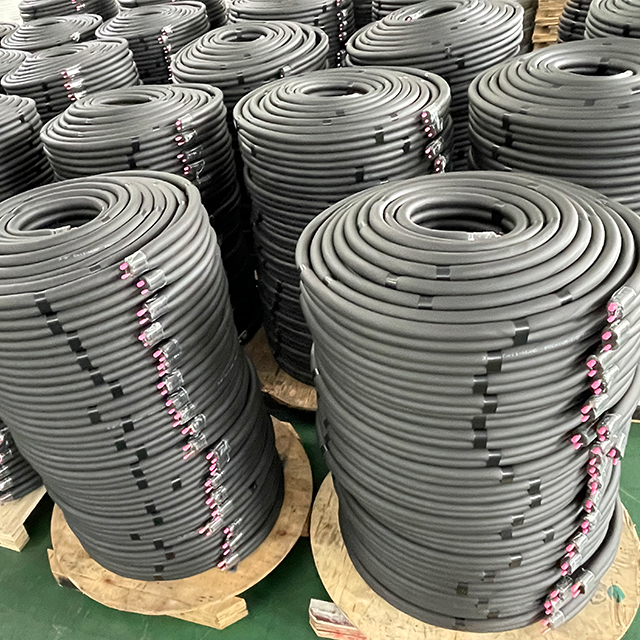
You are here:Home » News » What Is An HVAC Line Set? Liquid Line Vs Suction Line Explained
What Is An HVAC Line Set? Liquid Line Vs Suction Line Explained
Views: 0 Author: Site Editor Publish Time: 2026-07-30 Origin: Site
Have you ever wondered how your air conditioning system works? Understanding HVAC line sets is key to efficient cooling.
An HVAC line set consists of two crucial components: the liquid line and the suction line. These pipes play a vital role in the refrigeration cycle, ensuring your system runs smoothly.
In this post, we’ll explore what an HVAC line set is, its importance, and the differences between the liquid and suction lines. Get ready to dive into the world of HVAC!
Understanding the Components of HVAC Line Sets
When it comes to an HVAC line set, two primary components stand out: the liquid line and the suction line. Each plays a unique role in ensuring your heating and cooling systems operate efficiently. Let’s break down what these lines are and how they function.
What is a Liquid Line?
The liquid line is a critical part of the HVAC line set. It carries high-pressure liquid refrigerant from the outdoor condenser to the indoor evaporator coil. Here’s what you need to know:
●Definition and Function: The liquid line transports the refrigerant after it has shed heat in the condenser. This refrigerant is then delivered to the expansion valve, where it cools before entering the evaporator coil.
●Typical Size and Specifications: Most liquid lines have a smaller diameter, commonly around 3/8 inches. This size allows for efficient liquid flow while maintaining high pressure.
●Working Medium and Pressure Conditions: The liquid line handles high-pressure, fully liquefied refrigerant. It operates under pressure conditions typically ranging from 210 to 700 PSI, ensuring that the refrigerant remains in a liquid state until it reaches the evaporator.
●Insulation Requirements and Rationale: While the liquid line doesn’t require thick insulation, it’s essential to protect it from scratches and external damage. A thin protective layer suffices, allowing the refrigerant to release any residual heat naturally.
What is a Suction Line?
The suction line is equally important, as it completes the refrigerant cycle. It returns low-pressure vapor back to the compressor. Here’s a closer look:
●Definition and Function: The suction line carries the refrigerant vapor from the evaporator coil back to the compressor. This step is crucial for re-compressing the gas and continuing the cycle.
●Typical Size and Specifications: Suction lines are larger, typically around 7/8 inches in diameter. This larger size accommodates the lower density of gaseous refrigerant, allowing for smooth flow without bottlenecks.
●Working Medium and Pressure Conditions: The refrigerant in the suction line is low-pressure vapor. It’s essential for the suction line to effectively handle pressures that can range from 5 to 15 PSI, depending on the system's operation.
●Insulation Requirements and Rationale: Unlike the liquid line, the suction line must be fully insulated. This insulation prevents external heat from entering, which could cause the refrigerant to vaporize prematurely. Proper insulation also stops condensation from forming on the line, reducing the risk of water damage.
Quick Comparison Table
Feature
Liquid Line
Suction Line
Diameter
Smaller (3/8 inches)
Larger (7/8 inches)
Refrigerant State
High-pressure liquid
Low-pressure vapor
Insulation
Thin protective layer
Thick insulation required
Main Task
Deliver liquid refrigerant
Return vapor to compressor
These components work together seamlessly within the HVAC line set, ensuring that the entire system functions efficiently. Companies like DABUND Pipe produce high-quality line sets, ensuring that each component meets rigorous standards for performance and reliability. Understanding these lines helps in maintaining and optimizing HVAC systems for better energy efficiency and longevity.
Key Differences Between Liquid Line and Suction Line
Understanding the differences between the liquid line and suction line in an HVAC line set is essential for anyone involved in heating and cooling systems. Each line serves distinct purposes and operates under different conditions. Let’s take a closer look at their key differences.
Size and Diameter
One of the first things to notice is the size of these lines.
●Liquid Line: Typically has a smaller diameter, commonly around 3/8 inches. This size helps maintain high pressure while allowing efficient liquid flow.
●Suction Line: On the other hand, it has a larger diameter, usually about 7/8 inches. This larger size accommodates the low-pressure vapor returning to the compressor.
Line Type
Diameter
Liquid Line
3/8 inches
Suction Line
7/8 inches
Refrigerant State
The state of the refrigerant in each line plays a crucial role in system performance.
●Liquid Line: Contains high-pressure liquid refrigerant. This refrigerant is cooled and condensed, ready to absorb heat inside the evaporator coil.
●Suction Line: Carries low-pressure vapor. After absorbing heat from indoor air, the refrigerant transforms into gas, which needs to return to the compressor for re-compression.
Insulation Needs
Insulation is vital for both lines, but their requirements differ significantly.
●Liquid Line: Requires minimal insulation. A thin protective layer is sufficient to prevent scratches and minor damage. This allows the refrigerant to release any residual heat naturally.
●Suction Line: Needs thick, high-performance insulation. This insulation prevents external heat from entering, which could cause premature vaporization of the refrigerant. It also stops condensation from forming on the line, reducing the risk of water damage.
Main Functions
Each line has specific tasks that contribute to the overall efficiency of the HVAC system.
●Liquid Line Functions:
○Transports high-pressure liquid refrigerant from the condenser to the expansion valve.
○Ensures that the refrigerant remains in a liquid state until it reaches the evaporator.
●Suction Line Functions:
○Returns low-pressure vapor to the compressor.
○Completes the refrigeration cycle by facilitating the re-compression of the refrigerant.
These differences are crucial for the efficient operation of HVAC systems. Companies like DABUND Pipe produce high-quality HVAC line sets, ensuring that both lines meet stringent performance standards. Understanding these distinctions can help you make informed decisions when selecting or maintaining HVAC components.
The Importance of Proper HVAC Line Set Installation
Getting the installation of your HVAC line set right is crucial for the performance of your heating and cooling systems. A well-installed line set not only improves efficiency but also extends the lifespan of the system. Let’s explore why proper installation matters.
Impact on System Efficiency
Correct installation significantly influences how well your HVAC system performs. When the line set is installed properly, it can lead to:
●Improved Energy Efficiency: A properly configured HVAC line set minimizes energy loss, helping to reduce utility bills.
●Optimal Refrigerant Flow: Proper alignment and secure connections ensure that refrigerant flows smoothly through the system. This enhances the overall cooling and heating capabilities.
●Simplified Installation with DABUND: DABUND’s line sets come equipped with pre-flared pipe ends, making the installation process easier and faster. This feature ensures a tight seal, reducing the chances of leaks and enhancing efficiency right from the start.
Benefit
Description
Energy Savings
Lower utility costs due to efficient operation.
Enhanced Performance
Consistent cooling and heating output.
Reduced Installation Time
Quick setup with pre-flared connections.
Risks of Improper Installation
On the flip side, improper installation can lead to a host of problems that affect system performance. Here are some potential issues:
●Refrigerant Leaks: If connections aren’t secure, refrigerant can leak out. This not only harms the environment but also reduces system efficiency.
●Increased Wear and Tear: Poorly installed lines can lead to unnecessary strain on the compressor and other components. This can shorten the lifespan of your HVAC system.
●Inefficiencies: If the refrigerant flow is restricted due to improper installation, the system will have to work harder to maintain desired temperatures. This results in higher energy consumption and increased wear.
By ensuring that your HVAC line set is installed correctly, you can avoid these risks. Companies like DABUND provide high-quality line sets designed to minimize installation errors. Understanding the importance of proper installation will help you maintain a more efficient and reliable HVAC system.
DABUND HVAC Line Set Products
When it comes to HVAC line sets, DABUND stands out for its commitment to quality and reliability. Their products are designed to meet the needs of both residential and commercial HVAC systems, ensuring optimal performance and durability.
Overview of DABUND’s Offerings
DABUND offers a comprehensive range of HVAC line sets. These products are known for their robust construction and high-quality materials. Here’s what you can expect:
●Diverse Product Range: DABUND provides various sizes and configurations to meet different system requirements.
●Global Reach: Their line sets are exported to over 100 countries, serving clients in North America, Europe, and Asia.
Unique Features of DABUND Line Sets
What makes DABUND line sets a preferred choice among contractors and installers? Several unique features set them apart:
●Material Quality: DABUND uses 99.9% pure C12200 copper, ensuring excellent thermal conductivity and resistance to corrosion. This high-quality material is crucial for maintaining the efficiency of HVAC systems.
●Insulation Technology: The line sets are equipped with advanced insulation materials that comply with industry standards. DABUND’s products meet certifications such as ASTM E 84 and UL94, ensuring they can withstand extreme conditions while preventing energy loss.
Feature
Description
Material
99.9% pure C12200 copper
Insulation
High-performance insulation, ASTM E 84 and UL94 compliant
Durability
Designed to last in both residential and commercial settings
Installation Advantages
One of the standout aspects of DABUND’s HVAC line sets is their ease of installation. This can save time and money on projects. Here’s how:
●Pre-Flared Pipe Ends: Each line set comes with pre-flared ends, simplifying the connection process. This feature ensures a leak-free seal and reduces the need for additional tools.
●Complete Kits: DABUND offers complete line set kits that include all necessary components, such as insulation, brackets, and fittings. This all-in-one solution minimizes the hassle of sourcing individual parts.
●Reduced Labor Time: With pre-flared ends and complete kits, installation becomes quicker and more efficient. This can significantly lower labor costs, making DABUND an economical choice for contractors.
These features make DABUND HVAC line sets not only reliable but also user-friendly. By choosing DABUND, you ensure that your HVAC systems operate at peak efficiency while also simplifying the installation process. This combination of quality and ease makes DABUND a trusted name in the industry.
Conclusion
Understanding HVAC line sets is essential for efficient heating and cooling systems. The distinction between liquid lines and suction lines affects performance and energy efficiency.
Explore DABUND’s products for your HVAC needs. They offer reliable, cost-effective solutions designed for optimal performance.
FAQ
Q: What materials are used in HVAC line sets?
A: HVAC line sets are typically made from 99.9% pure copper, ensuring excellent thermal conductivity and durability.
Q: How do I choose the right size for my HVAC line set?
A: Select the size based on your system's specifications, commonly using 3/8" for liquid lines and 7/8" for suction lines.
Q: What are the common mistakes in HVAC line set installation?
A: Common mistakes include improper sealing, incorrect sizing, and inadequate insulation, leading to leaks and inefficiencies.
Q: How can I ensure the longevity of my HVAC line set?
A: Use high-quality materials, ensure proper installation, and conduct regular maintenance to prevent wear and tear.

 English
 العربية
 Français
 Русский
 Español
 Português
 Deutsch
 italiano
 日本語
日本語 한국어
한국어 Nederlands
 Tiếng Việt
 ไทย
ไทย Polski
 Türkçe
 አማርኛ
አማርኛ ພາສາລາວ
 ភាសាខ្មែរ
 Bahasa Melayu
 ဗမာစာ
ဗမာစာ Filipino
 Bahasa Indonesia
 magyar
 Română
 Čeština
 қазақ
қазақ Српски
 हिन्दी
 فارسی
فارسی Slovenčina
 Slovenščina
 Norsk
Norsk Svenska
 українська
 Ελληνικά
 Հայերեն
 Latine
 Dansk
Dansk Shqip
Shqip বাংলা
বাংলা Hrvatski
 Afrikaans
 Gaeilge
 latviešu
 Беларуская мова
 Български
 Esperanto
 Basa Jawa
 Kinyarwanda
 Soomaali
 Cymraeg