What Are Insulated Copper Pipes?
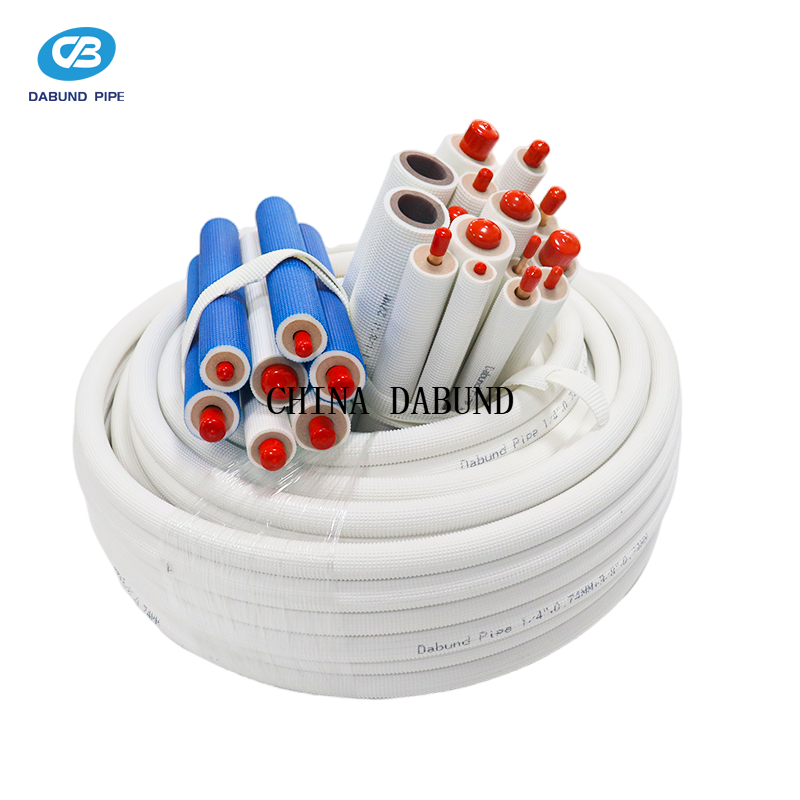
Imagine a highway where refrigerant flows smoothly without interruptions—that’s exactly what insulated copper pipes do for refrigeration systems. These pipes are copper tubes wrapped in protective insulation, designed to maintain temperature stability and efficiency.
Why They Matter in Refrigeration Systems
Without proper piping, even the most advanced refrigeration system can fail. Insulated copper pipes act like the system’s “veins,” ensuring refrigerant flows efficiently while minimizing energy loss.
The Role of Copper in HVAC & Refrigeration
Superior Thermal Conductivity
Copper is a superstar when it comes to heat transfer. It quickly adapts to temperature changes, making it ideal for refrigeration systems that depend on precise thermal control.
Durability and Corrosion Resistance
Unlike many materials, copper doesn’t give up easily. It resists corrosion, handles high pressure, and lasts for decades—making it a trusted choice in HVAC systems worldwide.
What Makes a High-Performance Refrigeration System?
Efficiency and Energy Savings
A high-performance system isn’t just powerful—it’s smart. Efficient piping reduces energy consumption, which translates to lower electricity bills and reduced environmental impact.
System Longevity
Think of insulated copper pipes as a long-term investment. They reduce wear and tear on compressors and other components, extending the system’s lifespan.
Why Insulation Is Critical
Preventing Energy Loss
Without insulation, energy escapes like heat from an open oven. Insulation keeps the refrigerant at the desired temperature, improving system efficiency.
Condensation Control
Ever seen water droplets forming on pipes? That’s condensation. Insulation prevents this, protecting surrounding structures from moisture damage.
Environmental Benefits
By reducing energy consumption, insulated pipes help lower carbon emissions—making them an eco-friendly solution.
Types of Insulated Copper Pipes
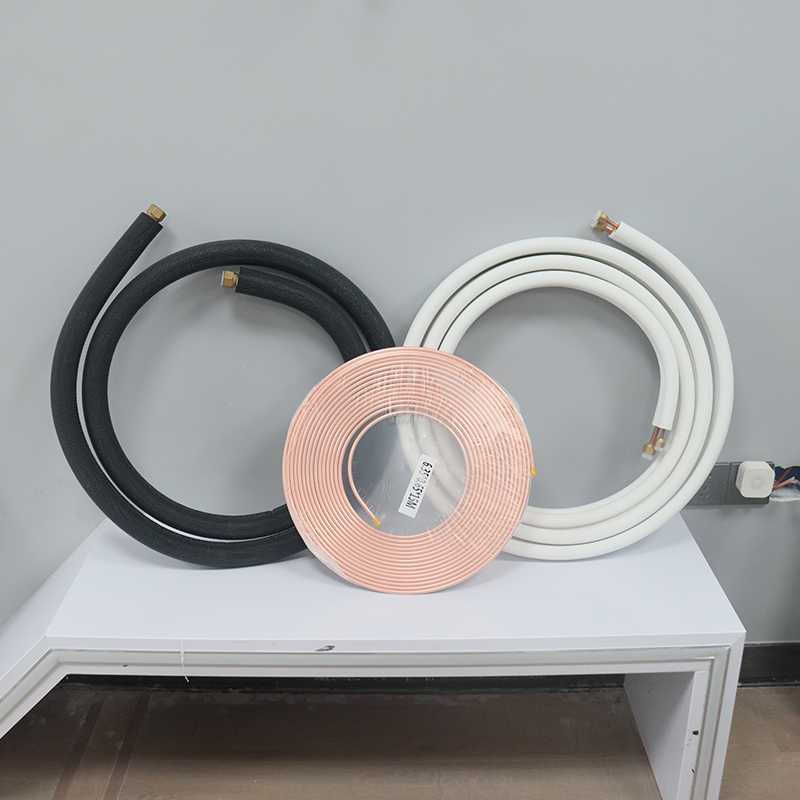
These are ready-to-use pipes with factory-applied insulation, saving time during installation and ensuring consistent quality.
For extreme environments, double insulation provides extra protection against temperature fluctuations and physical damage.
Custom Line Sets
Every system is unique. Custom line sets allow suppliers to tailor pipe dimensions, insulation thickness, and length to specific project needs.
Key Features to Look for in a Supplier
Material Quality and Purity
High-purity copper ensures better conductivity and longer life. Always choose suppliers who meet strict material standards.
Compliance with International Standards
Reliable suppliers adhere to global standards like ASTM, EN, or ISO, ensuring safety and performance.
Customization Capabilities
Need specific sizes or insulation types? A good supplier should offer flexible customization options.
Global Supply Chain Reliability
Timely delivery is crucial. A supplier with a strong logistics network ensures your projects stay on schedule.
Copper Tube Production
It all starts with refining copper and forming it into tubes through extrusion and drawing processes.
Insulation Application
The tubes are then coated with insulation materials like PE or rubber foam to enhance thermal performance.
Quality Testing and Inspection
Before reaching customers, pipes undergo rigorous testing for pressure resistance, leakage, and insulation quality.
Applications in Refrigeration Systems
Residential Air Conditioning
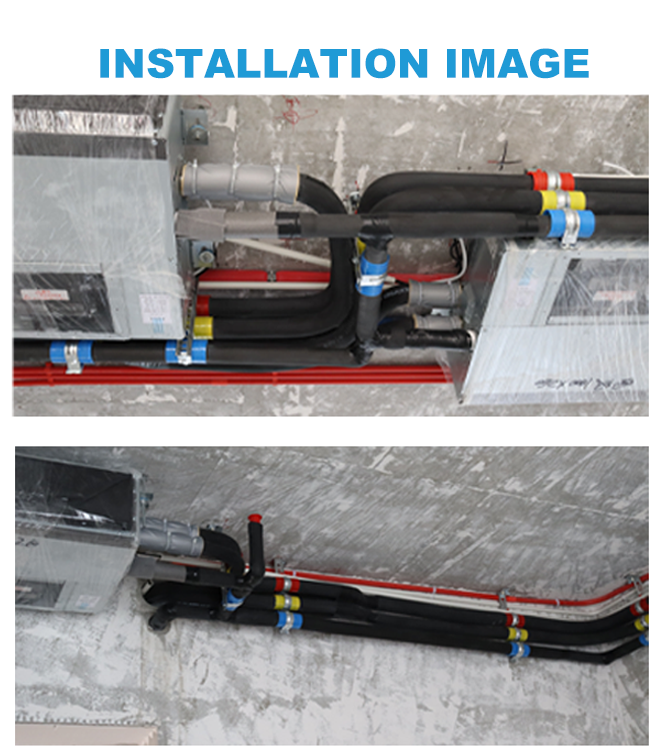
From split AC units to central systems, insulated copper pipes are essential for efficient home cooling.
Commercial HVAC Systems
In offices, malls, and hotels, these pipes ensure consistent temperature control across large spaces.
Industrial Refrigeration
In industries like food storage and pharmaceuticals, reliability is non-negotiable—and copper delivers.
Advantages Over Alternative Materials
Copper vs Aluminum
While aluminum is cheaper, copper offers better strength, durability, and thermal efficiency. It’s like comparing a bicycle to a sports car—both move, but one performs far better.
Cost vs Long-Term Value
Yes, copper may cost more upfront. But over time, its durability and efficiency make it the more economical choice.
Installation Best Practices
Proper Handling and Storage
Avoid bending or damaging the pipes during transport. Store them in a dry, clean environment.
Ensuring Leak-Free Connections
Use proper fittings and brazing techniques to prevent leaks and ensure system efficiency.
Maintaining Insulation Integrity
Damaged insulation reduces performance. Always inspect and repair insulation during installation.
Common Challenges and Solutions
Pipe Corrosion Issues
Although rare, corrosion can occur in harsh environments. Protective coatings and proper installation help prevent this.
Insulation Damage
External impacts or UV exposure can damage insulation. Using UV-resistant materials solves this problem.
Improper Sizing
Choosing the wrong pipe size affects system performance. Always consult specifications or experts.
How to Choose the Right Supplier
Evaluating Experience and Expertise
A supplier with years of experience understands industry demands and provides reliable solutions.
Customer Support and After-Sales Service
Good support ensures smooth installation and quick problem resolution.
Certifications and Reputation
Check reviews, certifications, and past projects before making a decision.
Future Trends in Refrigeration Piping
Eco-Friendly Materials
Sustainability is the future. Suppliers are increasingly using recyclable and environmentally friendly materials.
Smart HVAC Integration
With smart systems on the rise, piping solutions are evolving to support advanced monitoring and control technologies.
Conclusion
Choosing the right supplier of insulated copper pipes is like choosing the foundation of a building—it determines everything that follows. From energy efficiency to system durability, these pipes play a critical role in high-performance refrigeration systems. By focusing on quality, customization, and reliability, you can ensure your system runs smoothly for years to come.
FAQs
1.What size insulated copper pipe should I choose?
It depends on your system’s capacity and refrigerant type. Always follow manufacturer guidelines.
2.How long do insulated copper pipes last?
With proper installation, they can last 20–30 years or more.
3.Are insulated copper pipes energy-efficient?
Absolutely. They minimize energy loss and improve overall system efficiency.
4.Can insulated pipes be used outdoors?
Yes, especially if they have UV-resistant insulation.
5.How to maintain insulated copper piping?
Regular inspections, cleaning, and prompt repairs help maintain performance and longevity.

 English
 العربية
 Français
 Русский
 Español
 Português
 Deutsch
 italiano
 日本語
日本語 한국어
한국어 Nederlands
 Tiếng Việt
 ไทย
ไทย Polski
 Türkçe
 አማርኛ
አማርኛ ພາສາລາວ
 ភាសាខ្មែរ
 Bahasa Melayu
 ဗမာစာ
ဗမာစာ Filipino
 Bahasa Indonesia
 magyar
 Română
 Čeština
 қазақ
қазақ Српски
 हिन्दी
 فارسی
فارسی Slovenčina
 Slovenščina
 Norsk
Norsk Svenska
 українська
 Ελληνικά
 Հայերեն
 Latine
 Dansk
Dansk Shqip
Shqip বাংলা
বাংলা Hrvatski
 Afrikaans
 Gaeilge
 latviešu
 Беларуская мова
 Български
 Esperanto
 Basa Jawa
 Kinyarwanda
 Soomaali
 Cymraeg