You are here:Home » News » Common AC Drain Hose Problems And How To Prevent Water Leakage
Common AC Drain Hose Problems And How To Prevent Water Leakage
Views: 0 Author: Site Editor Publish Time: 2026-07-15 Origin: Site
Are you tired of unexpected water leaks from your air conditioner? A properly functioning drain hose is crucial for preventing damage in your home.
In HVAC systems, the drain hose removes excess moisture, ensuring efficient cooling. However, issues like clogs or cracks can lead to significant water damage if left unaddressed.
In this article, we’ll explore common problems with AC drain hoses and provide effective solutions to prevent water leakage. You’ll learn how to maintain your system and keep your home safe from unexpected leaks.
Understanding AC Drain Hoses
What is an AC Drain Hose?
An AC drain hose is a vital component of your air conditioning system. Its primary function is to remove excess moisture generated during the cooling process. When your AC cools the air, it extracts humidity, which then condenses into water. This water flows into the drain pan and is expelled through the drain hose.
If the drain hose malfunctions, it can lead to water pooling, leaks, and even extensive damage to your property. Here are some key points about its function:
●Moisture Removal: It ensures that the condensation is effectively drained away from your unit.
●Preventing Water Damage: A well-functioning drain hose prevents leaks that could damage walls, ceilings, and floors.
●System Efficiency: Proper drainage helps maintain optimal performance of your AC unit.
Types of AC Drain Hoses
When it comes to drain hoses, there are several materials and types available, each with its own advantages.
Common Materials
1. PVC (Polyvinyl Chloride):
●Lightweight and easy to install.
●Resistant to corrosion and chemicals.
●Affordable and widely used in residential systems.
2. Rubber:
●More flexible than PVC.
●Excellent for applications requiring bending.
●Offers better durability against temperature fluctuations.
3. Silicone:
●Highly resistant to extreme temperatures.
●Ideal for high-performance systems.
●Generally more expensive but offers longevity.
Comparing Standard vs. High-Quality Drain Hoses
Feature
Standard Drain Hose
High-Quality Drain Hose
Material Quality
Basic PVC or rubber
Premium-grade materials
Durability
Shorter lifespan
Longer-lasting, resistant to wear
Flexibility
Limited bending capability
High flexibility for easy installation
Cost
Lower initial cost
Higher upfront investment, but cost-effective in the long run
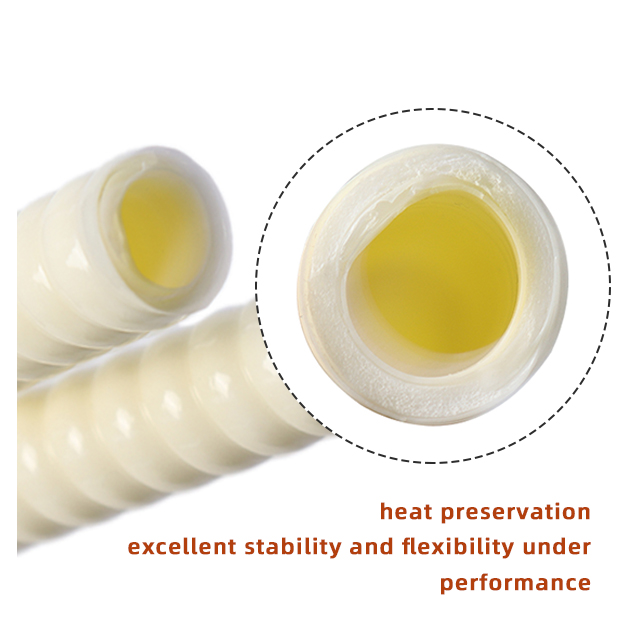
High-quality drain hoses, like those from DABUND Pipe, often feature enhanced properties such as better insulation and resistance to cracking. This means fewer maintenance issues and a lower risk of leaks.
Using a high-quality drain hose can save you money in the long run by reducing the frequency of repairs and replacements. It’s worth investing in the best options available to ensure your HVAC system operates efficiently and effectively.
In summary, understanding the role and types of AC drain hoses is crucial for maintaining your air conditioning system. By selecting the right materials and ensuring proper installation, you can prevent common issues that lead to water leakage and damage.
Common Problems with AC Drain Hoses
Clogging Issues
Clogs are one of the most common problems affecting AC drain hoses. Over time, debris, algae, and dust can accumulate inside the hose, leading to blockages.
●Causes of Clogging:
○Algae growth thrives in the warm, moist environment of the drain hose.
○Dust and dirt from the air can settle and combine with moisture, creating sludge.
Signs of a clog include musty smells and water pooling around your AC unit. If you notice these symptoms, it's time to investigate. DABUND Pipe’s drain hoses are designed with an ultra-smooth inner wall, minimizing the risk of clogs and ensuring efficient drainage.
Cracking and Fractures
Cracks in the drain hose can lead to significant issues. Poor material quality and temperature fluctuations are the main culprits for these cracks.
●Causes of Cracking:
○Low-quality materials may not withstand temperature changes.
○Constant bending and twisting can weaken the hose structure.
Symptoms indicating a crack include water leaks and reduced efficiency of your AC system. If you see water dripping from the hose, it’s a clear sign that something is wrong.
Loose Connections
Improper installation often leads to loose connections in the drain hose. When the hose isn’t securely attached, it can easily disconnect.
●Indicators of Loose Connections:
○Dripping water around the connection points.
○Unusual noises during operation, signaling a potential disconnection.
To avoid this, ensure that the hose is tightly fitted to the AC unit. Regular checks can help catch these issues before they escalate.
Unreasonable Piping Slope
The slope of your drain hose is crucial for proper drainage. If the hose isn’t installed at the correct angle, water can pool instead of flowing out.
●Common Installation Mistakes:
○Laying the hose horizontally or with an upward slope.
○Not securing the hose in place, allowing it to sag.
Proper slope ensures that gravity helps move the water out efficiently. If you’re unsure about the angle, a simple adjustment can make a big difference.
Pipeline Deformation and Collapse
External pressure and poor materials can lead to pipeline deformation. This is often seen in hoses that are not made to withstand certain conditions.
●Factors Leading to Deformation:
○Compression from nearby furniture or walls.
○Using low-quality hoses that cannot handle normal wear and tear.
The consequences of a collapsed hose are serious. It can block water flow, leading to leaks and potential damage to your HVAC system. Investing in a high-quality drain hose, like those from DABUND Pipe, can prevent these issues.
Problem
Causes
Symptoms
Clogging
Algae, debris
Musty smells, water pooling
Cracking
Poor materials, temperature change
Water leaks, reduced efficiency
Loose Connections
Improper installation
Dripping water, unusual noises
Unreasonable Piping Slope
Incorrect angle
Water pooling
Pipeline Deformation
External pressure, poor materials
Blocked flow, leaks
By understanding these common problems, you can take proactive steps to maintain your AC drain hose. Regular inspections and quality materials will ensure your system runs smoothly.
Preventing Water Leakage from AC Drain Hoses
Regular Maintenance
Routine maintenance is essential for keeping your AC drain hose in top shape. Regular checks can help identify potential issues before they escalate into costly repairs.
●Importance of Routine Checks:
○Prevents buildup of debris and algae.
○Ensures that the drainage system functions efficiently.
A recommended maintenance schedule includes:
●Monthly Checks: Inspect the hose for signs of wear and tear, and clean out any visible debris.
●Seasonal Maintenance: Before the peak cooling season, perform a thorough cleaning and inspection to ensure everything is in good condition.
Choosing the Right Drain Hose
Selecting a high-quality drain hose is crucial for long-term performance and reliability. Not all hoses are created equal, and investing in the right one can save you headaches down the line.
●Tips for Selecting High-Quality Drain Hoses:
○Look for hoses made from durable materials like reinforced PVC or high-quality rubber.
○Ensure the hose has good flexibility to withstand bends and twists during installation.
DABUND Pipe offers drain hoses designed for superior performance, featuring properties that resist cracking and deformation. These hoses are built to last, ensuring efficient drainage for your HVAC system.
Proper Installation Techniques
Installing your AC drain hose correctly is just as important as selecting the right one. A well-installed hose minimizes the risk of leaks and blockages.
●Step-by-Step Guide for Installation:
1. Measure the Length: Cut the hose to the correct length, allowing for a slight slope.
2. Connect Securely: Ensure that all connections are tight to prevent leaks.
3. Check the Slope: The hose should have a continuous downward slope to facilitate proper drainage.
A proper slope is critical. It helps gravity do its job, ensuring that water flows out smoothly without pooling inside the hose.
Using Preventative Products
In addition to regular maintenance and proper installation, using preventative products can further enhance the performance of your AC drain hose.
●Overview of Preventative Products:
○Float Switches: These devices automatically shut off the AC unit if water levels rise too high, preventing overflow.
○Condensate Treatment Tablets: Placing these tablets in your drain pan helps prevent algae and slime buildup.
Using these products can provide peace of mind. They act as an extra layer of protection against potential water leakage, ensuring that your system remains efficient and effective.
Preventative Measure
Description
Benefits
Float Switches
Automatically shuts off AC during overflow
Prevents water damage
Condensate Treatment Tablets
Reduces algae and slime buildup
Keeps drain hose clear and functional
By implementing these strategies, you can significantly reduce the chances of water leakage from your AC drain hose, ensuring a reliable and efficient HVAC system.
Conclusion
Maintaining your AC drain hose is crucial for preventing water leakage. Regular checks can save you from costly repairs.
Take proactive measures to ensure your system runs smoothly. Inspect your AC regularly to catch issues early and keep your home safe from water damage.

 English
 العربية
 Français
 Русский
 Español
 Português
 Deutsch
 italiano
 日本語
日本語 한국어
한국어 Nederlands
 Tiếng Việt
 ไทย
ไทย Polski
 Türkçe
 አማርኛ
አማርኛ ພາສາລາວ
 ភាសាខ្មែរ
 Bahasa Melayu
 ဗမာစာ
ဗမာစာ Filipino
 Bahasa Indonesia
 magyar
 Română
 Čeština
 қазақ
қазақ Српски
 हिन्दी
 فارسی
فارسی Slovenčina
 Slovenščina
 Norsk
Norsk Svenska
 українська
 Ελληνικά
 Հայերեն
 Latine
 Dansk
Dansk Shqip
Shqip বাংলা
বাংলা Hrvatski
 Afrikaans
 Gaeilge
 latviešu
 Беларуская мова
 Български
 Esperanto
 Basa Jawa
 Kinyarwanda
 Soomaali
 Cymraeg