- Copper Pipe
- Mini Split Line Set
- Mini Split Installation Kit
- Line Set Cover
- AC Accessories
- Service
Views: 0 Author: Site Editor Publish Time: 2026-10-06 Origin: Site
A damaged AC line set can turn a small refrigerant leak into an expensive repair. However, the copper tubing is rarely the largest expense.
Access, refrigerant handling, pressure testing, and wall repairs often control the final price. This guide explains AC line set replacement costs, labor charges, material choices, and frequently overlooked installation factors.
An AC line set connects the indoor evaporator coil to the outdoor condenser. It normally contains two copper refrigerant lines.
The smaller liquid line carries high-pressure liquid refrigerant. The larger suction line returns low-pressure refrigerant vapor to the compressor.
Both tubes must remain clean, correctly sized, sealed, and properly insulated.
Low refrigerant does not always prove the tubing is damaged. Leaks may also develop around service valves, coils, flare connections, or brazed joints.
A technician should locate the leak before recommending complete replacement. Common warning signs include:
● Repeated refrigerant loss after previous recharging
● Oil residue around copper tubing or connections
● Hissing sounds near the refrigerant lines
● Severe copper corrosion or pitting
● Crushed tubing, sharp kinks, or damaged joints
● Ice forming on the evaporator coil
● Broken insulation and heavy condensation
● Poor cooling despite otherwise functional equipment
A single accessible joint may only require line set leak repair. The technician can recover the refrigerant, repair the joint, test the system, and restore the correct charge.
Complete HVAC line set replacement becomes more reasonable when damage affects several sections. It may also be necessary when the tubing is buried, contaminated, incorrectly sized, or impossible to repair reliably.
Existing condition | Common recommendation |
One accessible leaking joint | Repair, test, and recommission |
Multiple leaks or extensive corrosion | Replace the complete AC line set |
Crushed or sharply kinked copper | Replace the damaged run |
Wrong liquid or suction line size | Install tubing matching equipment specifications |
Clean and correctly sized tubing | Consider reuse after inspection and testing |
Equipment replacement does not automatically require a new refrigerant line set. Existing tubing may remain suitable when it is clean, undamaged, and correctly sized.
The installer must compare both pipe diameters against the new equipment manual. Maximum line length, vertical rise, insulation, and refrigerant requirements also need verification.
Replacement is usually safer when an old line contains moisture, acidic oil, debris, or extensive corrosion. These contaminants can damage the new compressor after installation.
There is no dependable national flat rate for AC line set replacement. A visible 15-foot route costs far less than tubing hidden behind finished walls.
A AC Line Set Replacement Cost in Cape Coral for 2026 provides the following installed-price ranges. These figures are useful examples, not universal quotations.
Installation condition | Example planning range |
Diagnostic visit and leak testing | $100–$250 |
Accessible 15–30-foot line set | $700–$1,300 |
Typical 30–50-foot replacement | $1,000–$2,000 |
Difficult 50–100-foot route | $1,800–$3,500+ |
Wall, ceiling, or finish repairs | $200–$1,000+ |
Local wages, refrigerant prices, permits, and building conditions can change these figures substantially.
The material portion includes more than two copper tubes. A complete replacement may require:
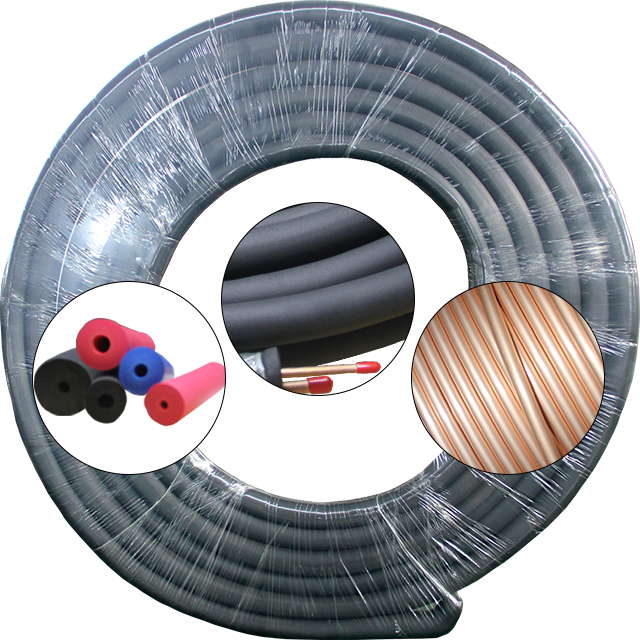
● Insulated copper refrigerant tubing
● Copper fittings, couplings, and flare nuts
● Pipe supports, clamps, and vibration protection
● UV-resistant tape or an exterior line set cover
● Wall sleeves, sealant, and penetration covers
● Nitrogen, brazing materials, and filter-driers
● Replacement refrigerant after recovery and evacuation
Longer runs use more copper and insulation. Larger suction-line diameters also increase material costs.
Labor begins before the old tubing is removed. The technician must locate the leak and confirm whether replacement is justified.
The crew may then recover refrigerant, disconnect both units, remove or abandon the old run, and route new copper. Connections must be flared or brazed according to the equipment instructions.
Pressure testing, leak checking, system evacuation, refrigerant charging, and performance verification follow installation. These procedures often require more time than physically routing the tubing.
A low quote may cover only copper installation. It may exclude diagnosis, refrigerant, drywall repairs, permits, or final commissioning.
Choosing the correct tubing protects the equipment and prevents repeat labor. Price should never replace compatibility checks.
The installer must confirm liquid-line and suction-line outside diameters. BTU capacity offers a starting point, but equipment specifications remain the final authority.
Refrigeration tubing should be clean, seamless, and manufactured for HVAC applications. Open pipe ends must remain capped during transportation and installation.
Material factor | Cost and installation impact |
Larger pipe diameter | Uses more copper and requires larger fittings |
Longer route | Adds tubing, insulation, supports, and refrigerant |
Thicker insulation | Raises material cost but improves condensation control |
Factory insulation | Reduces field wrapping and installation time |
Pre-flared ends | May reduce preparation on compatible systems |
UV protection | Helps outdoor insulation resist early deterioration |
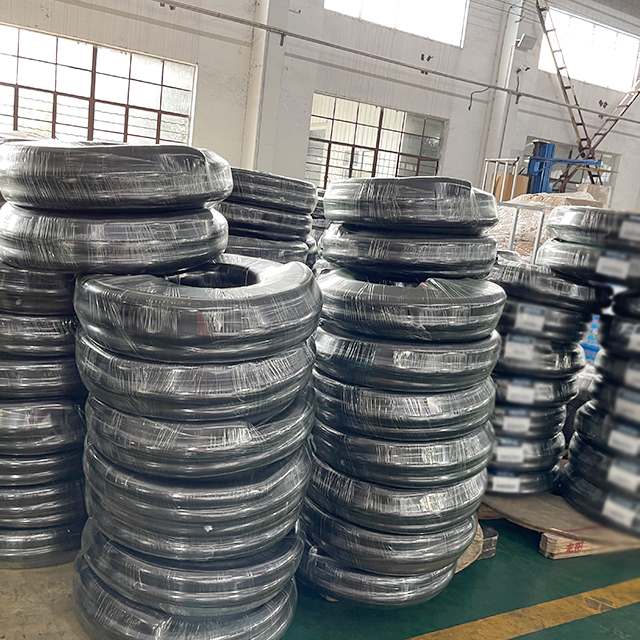
Dabund Pipe manufactures AC line set products using 99.9% C12200 copper meeting ASTM B280 requirements. Available outside diameters range from 1/4 inch through 1-1/8 inches, while customized lengths extend from 1 to 50 meters.
Those options help contractors match the route instead of joining several short coils. However, installers must still follow the air conditioner manufacturer’s approved sizing table.
The suction line needs continuous closed-cell insulation. Missing sections can create condensation, heat gain, and water damage.
Outdoor insulation also needs protection from sunlight, weather, animals, and physical contact. Insulation tape alone may not provide lasting protection on an exposed wall.
A rigid line set cover adds cost but improves appearance and durability. It can also create an accessible route that avoids opening interior walls.
R22, R410A, R32, and R454B systems have different service requirements. Refrigerant type alone does not confirm whether old tubing can be reused.
The installer must check pipe dimensions, pressure requirements, previous oil, internal cleanliness, and approved installation procedures. A refrigerant conversion may require cleaning, component changes, or complete replacement.
Two line sets of equal length can produce very different labor bills. The route matters more than simple footage.
An exposed ground-level run may take several hours. A concealed route through walls, floors, or a low attic may require several workers.
Common conditions increasing AC line set replacement cost include:
Hidden factor | Why it increases cost |
Finished drywall or ceilings | Requires cutting, patching, sanding, and painting |
Tight attic or crawlspace | Slows movement and may require extra workers |
Multi-story routing | Adds lifting, access equipment, and safety controls |
Underground or under-slab tubing | Often requires a completely different route |
Concrete or masonry walls | Needs drilling, sleeves, and penetration sealing |
Built-in cabinets or tile | Demands careful removal and restoration |
Long vertical rise | May affect pipe sizing and refrigerant charge |
Installers sometimes leave an inaccessible old line safely abandoned. A new exterior route can then be protected using a line set cover.
DABUND supplies pre-insulated tubing and customizable coil lengths for varied project routes. Correctly selected lengths can reduce unnecessary joints, leftover copper, and field insulation work.
Replacing copper opens the sealed refrigeration circuit. The work may require refrigerant recovery, nitrogen purging, brazing, pressure testing, deep evacuation, and recharging.
Additional refrigerant may be required when the installed route exceeds the factory-charge allowance. The correct amount depends on line length and equipment instructions.
Moisture or compressor contamination adds further work. The contractor may recommend additional flushing, filter-drier replacement, or a longer evacuation process.
HVAC companies do not always perform drywall, painting, roofing, or masonry repairs. These services may require separate contractors.
Permits and inspections can also increase the project total. Condominium and homeowners’ association rules may restrict exterior covers or visible piping.
Ask whether the estimate includes wall restoration, old tubing disposal, equipment protection, and site cleanup. These items frequently appear as change orders after installation begins.
A detailed quote makes price comparison much easier. A single total cannot show whether important commissioning work is included.
Ask each contractor to identify the tubing dimensions, route, insulation type, refrigerant, and estimated labor hours.
Quote item | Information to confirm |
Diagnosis | Leak location and reason for replacement |
Copper tubing | Liquid and suction line diameters |
Route | Total length, vertical rise, and access points |
Connections | Brazed, flared, or model-approved fittings |
Refrigerant | Recovery, replacement quantity, and charging method |
Testing | Nitrogen pressure test and documented leak check |
Evacuation | Vacuum procedure and acceptance target |
Insulation | Thickness, outdoor protection, and sealed joints |
Building work | Drywall, painting, masonry, and weather sealing |
Compliance | Permits, inspections, licensing, and warranty |
In the United States, activities opening or charging stationary refrigeration circuits require appropriate technician qualifications. The Homeowners and Consumers: Frequently Asked Questions includes cutting refrigerant lines and adding or removing refrigerant.
Schedule the replacement during a complete AC installation when practical. The crew already has the refrigeration circuit open, which may reduce duplicated labor.
Consider an accessible exterior route when concealed replacement requires extensive demolition. A weather-resistant cover can protect the tubing and improve appearance.
Do not purchase a line set using BTU capacity alone. Confirm both pipe diameters, route length, insulation, and connection requirements first.
For contractors, distributors, and equipment suppliers, DABUND also offers AC line set sizes, insulation options, custom printing, and matched HVAC accessories. A documented bill of materials can reduce specification errors across repeat installations.
Avoid saving money by skipping pressure testing or evacuation. Those shortcuts can leave leaks, moisture, or air inside the circuit.
AC line set replacement cost depends on much more than copper length. Access, tubing size, refrigerant, commissioning, and building repairs shape the final bill.
A detailed diagnosis and itemized quote provide the safest comparison. Correct materials and qualified installation also protect the compressor from avoidable damage.
A: An accessible residential replacement may cost around $700 to $1,300. Typical 30–50-foot projects may reach $1,000 to $2,000. Long or concealed routes can exceed $3,500. Location, tubing size, refrigerant, wall repairs, and commissioning procedures affect the final price.
A: Yes. One accessible leak around a fitting or brazed joint may be repairable. Multiple leaks, hidden corrosion, damaged copper, or contaminated tubing often justify complete replacement. The technician should identify the leak before recommending either option.
A: Reuse may be possible when the tubing is correctly sized, clean, undamaged, and approved for the new equipment. It still needs inspection, leak testing, evacuation, and proper charging. Old, contaminated, or incorrectly sized tubing should not be reused automatically.
A: A short, accessible route may be completed within one working day. Concealed or multi-story installations may require two days or longer. Wall repairs, difficult access, contamination cleanup, and permit inspections can extend the schedule.
A: Copper length affects material cost, but a per-foot price rarely predicts the installed total. A short line hidden behind finished walls may cost more than a longer exposed route. Labor, refrigerant handling, testing, insulation, and restoration usually create the largest differences.